
Inch loss management
Inch Loss Diet Instructions
Inch loss can be an incredibly motivating aspect of a weight loss journey, and understanding its significance can inspire you to stay committed to your goals. Let’s explore how inch loss relates to weight loss, why it’s important, effective strategies for achieving it, and how to measure your progress accurately.
*Understanding Inch Loss vs. Weight Loss
Inch loss refers to the reduction in body measurements (like waist, hips, thighs) rather than just the number on the scale. While weight loss typically measures overall body mass—fat, muscle, water—inch loss often indicates changes in body composition. You might lose inches without significant weight change if you’re building muscle while losing fat.
#Why Inch Loss is Important
1. Body Composition: Losing inches often means reducing fat while preserving or even gaining muscle mass. This is crucial because muscle burns more calories at rest compared to fat.
2. Health Indicators: A reduction in inches around your waist is linked with lower risks of chronic diseases like diabetes and heart disease.
3. Aesthetic Goals: Many people find inch measurements more rewarding than weight alone because they reflect changes in body shape and fit into clothing better.
# Effective Ways to Achieve Inch Loss
1. Strength Training: Incorporating resistance exercises helps build lean muscle mass which can lead to inch loss as you burn fat.
2. Cardiovascular Exercise: Activities like running or cycling help create a calorie deficit essential for fat loss.
3. Nutrition: Focus on a balanced diet rich in whole foods—lean proteins, fruits, vegetables—and reduce processed foods high in sugar and unhealthy fats.
4. Hydration: Drinking plenty of water helps with metabolism and reduces bloating that could mask true inch loss.
# Measuring Your Inch Loss Accurately
To track your progress effectively:
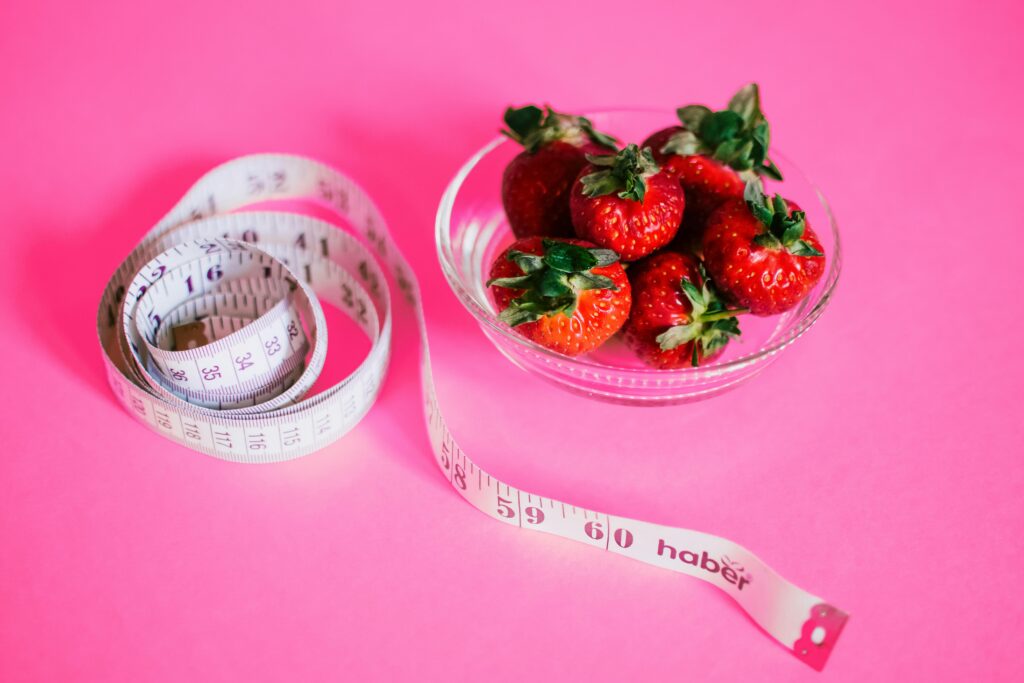
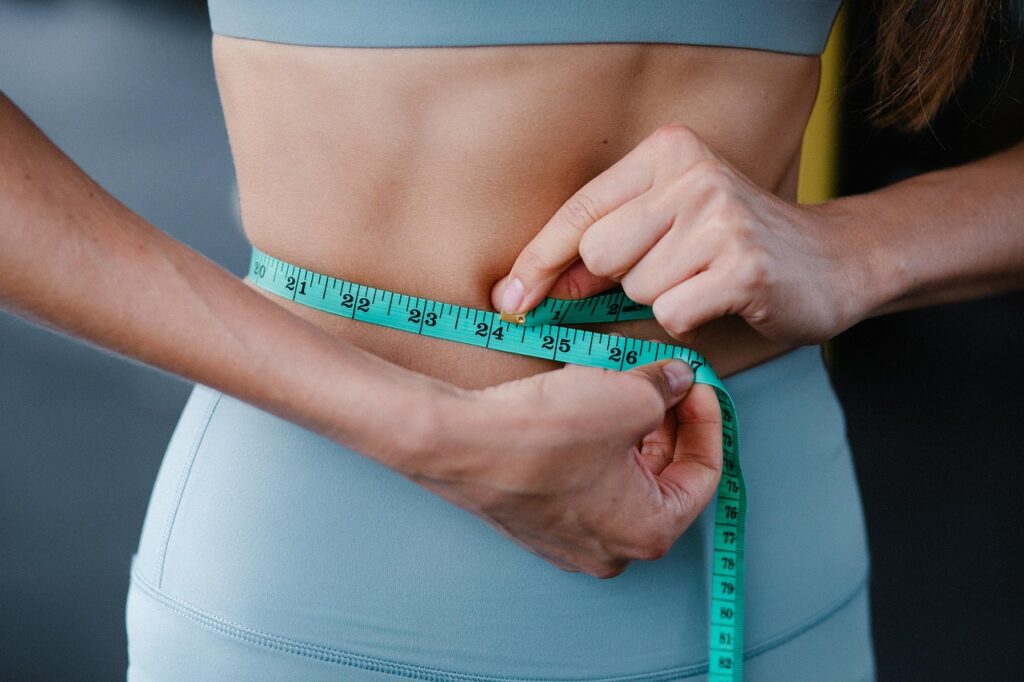
– Use a soft measuring tape and measure key areas such as the waist, hips, thighs, arms, and chest.
– Take measurements consistently at the same time of day (preferably morning) for accuracy.
– Record these measurements weekly or biweekly rather than daily; this allows you to see trends over time without getting discouraged by daily fluctuations.
### Does Losing Inches Mean Losing Fat?
Generally speaking, yes! When you lose inches from targeted areas (like your waist), it usually indicates that you’re shedding excess fat there; however, it’s essential also to consider overall health markers like energy levels and physical performance.
### The Role of Body Composition
Body composition plays a crucial role in both inch and weight loss:
– A higher percentage of lean mass can lead to increased metabolism even when not actively exercising.
– Focusing solely on losing weight might result in losing both fat and muscle; hence incorporating strength training becomes vital for maintaining lean tissue during a calorie deficit.
As someone who has navigated through various fitness journeys myself—balancing nutrition with exercise—I’ve learned that focusing on inch loss has been incredibly motivating for me personally. It serves as a tangible reminder that positive changes are happening beneath the surface even when the scale doesn’t reflect significant shifts right away.
In conclusion, embracing an inch-loss mindset alongside traditional weight-loss goals can empower you throughout your wellness journey. Celebrate every small victory along the way; after all, each inch lost represents progress toward becoming healthier—and that’s truly worth celebrating!
Have a healthy and accurate results for inch loss.